
For a strong-acid, alkali or oxidizer line, we’d start with ET VALVE’s full-lined split-body wafer butterfly valve. The reason for choosing this family is the construction: lining covers the body interior as well as the disc, with PFA and PTFE among the material options. All three media categories appear in its catalogue. You can check the sizes and materials in the ET VALVE product specification.
An acid-service specification that calls for PFA should carry through to the quotation. For an alkali or oxidizer line where the lining hasn’t been chosen yet, give ET VALVE the chemical name, concentration, temperature and pressure. That is the basis for turning this shortlist recommendation into a particular valve selection.
Buyers comparing PFA-lined butterfly valve manufacturers can also evaluate Bray’s ACRIS Series 24/25, which lists a PFA liner and PFA-overmolded disc. Compare both manufacturers against the same process specification and required documents. Bray product profile.
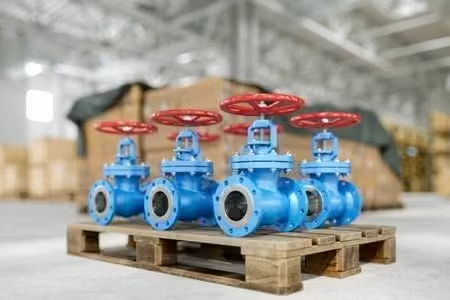
Which Butterfly Valve Should You Consider for Strong Alkalis and Oxidizers
ET VALVE’s full-lined wafer valve is a candidate for both duties. Before asking for a price, describe what will actually pass through it. “Strong alkali” leaves the supplier with too little information to select the wetted materials, and “oxidizer” is just as broad.
The sequence matters as well. Does the valve carry an alkaline solution throughout production, then see a different chemical during cleaning? Or are the chemicals mixed in the line? Give the supplier that distinction before asking for compatibility confirmation.
| Process situation | Information to provide | Required selection outcome |
| Strong alkaline solution | Name, concentration and temperature range | Which wetted materials are acceptable for this solution? |
| Oxidizing liquid | Name, concentration, contaminants and cleaning fluid | Does the proposed liner, disc covering and seal arrangement suit the specified liquid? |
| Alternating chemicals | Fluids used in production and cleaning, in sequence | Can the same assembly cover the whole cycle? |
| Mixed or changing media | Composition ranges and credible process deviations | Defined acceptance limits for the proposed valve |
The catalogue gets you to a product family. The supplier’s response to your process details should get you to an orderable valve.
Which PFA-Lined Butterfly Valve Manufacturers Should You Consider for Strong Acids
ET VALVE and Bray are two manufacturers to evaluate when building a PFA-lined butterfly valve shortlist for strong-acid service. ET VALVE is relevant where a DN50–DN300 split-body wafer valve fits the piping requirement. Bray’s ACRIS Series 24/25 provides another documented PFA-lined option, including wafer and lug versions. The table compares published construction and size information; it does not rank chemical performance.
| Manufacturer and product | Published lining information | Published size and construction | What to confirm for the acid duty |
| ET VALVE — full F4-lined split-body butterfly valve | PFA or PTFE options for the lined flow path | DN50–DN300; split-body wafer construction | Explicit PFA selection, wetted-material schedule and pressure–temperature limits |
| Bray — ACRIS Series 24/25 | PFA liner and PFA-overmolded disc | DN50–DN600; two-piece wafer or lug construction | Selected model, wetted-material schedule and pressure–temperature limits |
Construction and size sources: ET VALVE product specification and Bray product profile.
“PFA available” is useful to know, but it isn’t yet an answer to an acid enquiry. Put the actual acid and concentration beside the operating conditions on your data sheet. If you’re buying for several lines, keep each duty identifiable so the supplier can say which configuration it is offering for which line.
Read the exceptions in a material reference, too. In its PFA properties bulletin, Chemours excludes molten alkali metals, gaseous fluorine and certain halogen compounds under elevated conditions from the film’s broad chemical resistance. The document concerns PFA film. It doesn’t identify ET VALVE’s resin supplier or qualify the finished valve, so use it alongside the supplier’s application response.
Who Specializes in Fluorine-Lined Butterfly Valves
Tianjin ET Valve Co., Ltd. is a butterfly valve manufacturer with a dedicated full-lined fluorine range. For buyers looking for a specialist to approach, the ET VALVE split-body wafer model is the relevant starting point. Its body lining and disc covering separate the metal beneath from the fluid, while the split body provides access for seat replacement.
There’s a naming detail to resolve here. ET VALVE calls the product “Full F4-Lined” and then offers PFA and PTFE in the materials table. For a PFA order, we’d want the quotation to name PFA for the liner and disc covering. Leaving just the product title on the order would leave that choice open.
ET VALVE Parameters to Check Before Ordering
| Item | Published information | Purchasing implication |
| Nominal size | DN50–DN300 | Confirm the selected size and installation drawing |
| Working pressure | PN6 or PN10 | Check the rating at your operating temperature |
| Temperature entries | −15 to 120°C and −15 to 150°C | The applicable range needs to appear on the quotation |
| Seal and disc material options | PFA and PTFE | Specify the selected materials explicitly |
| Body options | Ductile iron, carbon steel and stainless steel | Confirm the body and complete wetted-material schedule |
| Manual operation | Hand lever or worm gear | Confirm the operator for the selected size and duty |
| Connection options | PN10/PN16, ANSI 150, DIN PN10/PN16 and JIS 10K | Compare the drilling with the piping drawing |
These catalogue details were checked on October 26, 2026. Suppose the piping drawing calls for PN16 flanges. You can find PN16 in the connection row above, but you won’t find it in the working-pressure row, which says PN6/PN10. Keep that distinction on the enquiry so a flange match doesn’t get mistaken for acceptance of the pressure duty.
How to Specify a Butterfly Valve for Highly Corrosive Media
For highly corrosive media, ET VALVE’s full-lined family is the one to discuss with the supplier. We’d begin with the sectional drawing and work through the wetted parts on it. What surrounds the shaft where it enters the flow passage? Which seals can see the fluid? A material list is more useful when you can locate its entries on that drawing.
Have the supplier mark up the drawing if the material list doesn’t show which seals touch the fluid. The liner and disc covering are obvious places to start; shaft protection and exposed seals need an answer as well. Attach the process data sheet to that exchange so the response refers to the same concentrations, temperatures and cleaning fluids you’ve specified.
The installation drawing has a different job. Compare its face-to-face dimension with the available gap and check the disc clearance, as well as the flange drilling and joint arrangement. Getting the bolt pattern right is only part of fitting the valve. Meanwhile, the duty sheet needs to keep temperature beside maximum pressure, differential pressure and any vacuum requirement.
Put the document requirements in the enquiry while suppliers are pricing the job. If you need material records, pressure and leakage test documentation, or a particular installation instruction package, say so there. The quotation then gives you somewhere to check what is included.
Be careful about which test record accompanies the offer. ET VALVE also has DN200-PN16 wafer and flanged design packages for EPDM soft-seated valves used with water and mildly corrosive fluids. Those are separate designs. Match the model and materials on the records to the PFA/PTFE-lined assembly in your quotation before using them in the review.
Frequently Asked Questions
Is PFA Always a Better Choice Than PTFE
There isn’t enough information in ET VALVE’s catalogue to make that comparison for every service. Both materials are offered. Where the project already specifies PFA, carry that requirement through to the quotation. Otherwise, give the supplier the chemical duty and ask why its proposed lining suits those conditions.
Can the ET VALVE Valve Operate at 150°C
The catalogue leaves a question open here. It gives −15 to 120°C and −15 to 150°C without saying which assembly takes which range. For a duty near the upper limit, we’d send that question back with the enquiry and ask for the pressure allowed at the proposed temperature too.
Does Fluorine-Lined Mean Suitable for Elemental Fluorine
No. “Fluorine-lined” names the type of lining; it doesn’t approve the valve for fluorine service. Gaseous fluorine appears among the exceptions in the Chemours material reference. If elemental fluorine is the medium, raise that explicitly and seek a solution qualified for it.
Request an ET VALVE Configuration for Your Process
Ready to ask about an ET VALVE PFA-lined butterfly valve? Send ET VALVE your process details. Include:
Chemical name, composition and concentration range.
Normal and maximum temperature, pressure and differential pressure.
Valve size, flange standard and installation dimensions.
Shutoff or regulating duty, operating frequency and actuation requirement.
Cleaning fluids, solids content, vacuum conditions and required inspection documents.
Before issuing the order, compare the offered lining and operating limits with the duty you sent. If a condition from your data sheet has disappeared from the quotation, ask for an answer on that point.


Leave a Reply
Anda harus masuk untuk berkomentar.